Insider threats offer a thorough outlook for strengthening protection
Opening the Conveniences of AI for Person Capital Threat Administration and Expert Risk Reduction
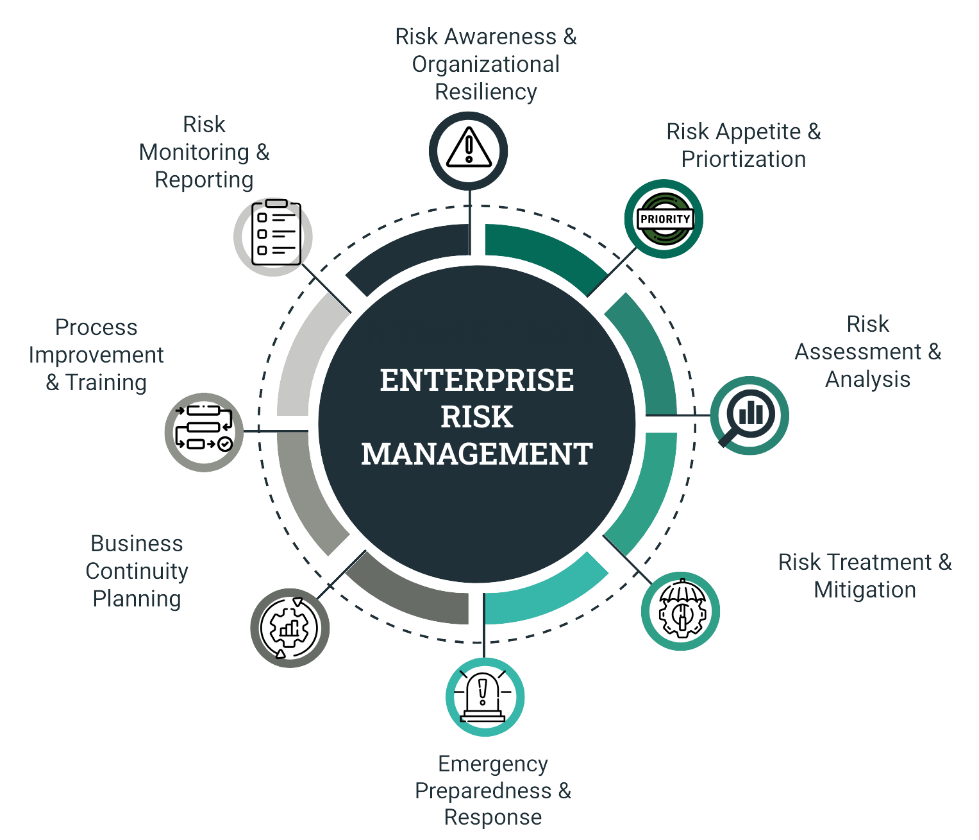
In today's electronic landscape, companies deal with considerable obstacles connected to human capital dangers and insider hazards (Insider threats). Advanced modern technologies, particularly expert system, offer encouraging options to enhance danger monitoring. By assessing user actions and finding abnormalities, AI can offer vital insights. The combination of these devices raises questions about efficiency, application, and future developments. Checking out these elements reveals a complicated interplay between innovation and protection that requires better examination
Understanding Human Resources Risks in the Digital Age
As organizations increasingly embrace electronic modern technologies, they encounter a myriad of human funding risks that can affect their overall performance. Workers may struggle to adapt to brand-new devices and procedures, causing lowered efficiency and interaction. Furthermore, the digital setting can promote the spread of false information and reduce partnership among teams, hampering and creating silos technology.
Additionally, the shift to remote work introduces obstacles in checking worker performance and preserving workplace culture. Organizations has to also contend with cybersecurity hazards, where insider threats can emerge from staff members unintentionally or maliciously jeopardizing sensitive information.
The rapid speed of technical modification can develop an abilities space, as existing staff members may lack the necessary training to take advantage of new systems effectively. Consequently, understanding and minimizing these human capital risks is vital for organizations aiming to grow in the digital age while guarding their labor force's well-being and efficiency.
The Duty of AI in Identifying Insider Threats
While companies navigate the intricacies of a digital landscape, the role of expert system (AI) in identifying expert risks has become progressively essential. AI modern technologies take advantage of advanced formulas and artificial intelligence to analyze large quantities of data, spotting patterns that indicate prospective malicious habits from contractors or employees. By continuously keeping an eye on individual activities, AI can recognize anomalies that deviate from common habits, such as unauthorized accessibility to sensitive information or unusual information transfers.
AI systems enhance hazard detection by incorporating different data resources, consisting of e-mail interactions, network web traffic, and gain access to logs. This alternative strategy provides organizations with a comprehensive sight of possible risks. In addition, AI can adjust and improve its detection abilities in time, picking up from brand-new data and evolving danger landscapes. Companies that carry out AI-driven remedies can significantly lower the possibility of expert hazards, securing their assets and preserving a safe and secure operational setting.
Enhancing Threat Management Techniques With AI Equipment
Organizations can greatly boost their risk monitoring strategies by integrating AI tools that improve decision-making processes and improve information evaluation. AI innovations provide sophisticated analytics capacities, enabling companies to identify prospective dangers much more quickly and precisely. By leveraging device learning formulas, firms can assess vast amounts of historical data to discover patterns and trends that might show arising dangers.
AI tools can automate routine monitoring tasks, allowing danger administration teams to concentrate on higher-level calculated campaigns. This automation not just raises effectiveness yet also reduces the capacity for human mistake in danger evaluations. Predictive analytics can also anticipate possible hazards, allowing positive measures as opposed to responsive feedbacks
Eventually, the integration of AI right into threat monitoring structures gears up companies with the dexterity required to adapt to evolving dangers while improving their overall resilience. Continue By harnessing these advanced tools, organizations can guarantee extra educated and durable risk administration practices.
Case Studies: Effective Applications of AI in Danger Management
Various organizations have efficiently incorporated AI into their threat administration structures, showcasing the substantial advantages of these innovative modern technologies. One significant instance is a significant financial establishment that deployed AI-driven analytics to identify potential expert hazards. By examining staff member habits patterns, the system flagged anomalies, enabling prompt treatment and decreasing occurrences by 30%.
An additional instance includes a worldwide manufacturing company that made use of AI to boost its staff member monitoring procedures. The AI algorithms examined communication networks and recognized threats connected with functional inadequacies, bring about a 25% decline in human capital-related losses.
A doctor likewise implemented AI tools to manage website link conformity threats successfully. Insider threats. By automating the surveillance of governing modifications, the institution enhanced its adherence to sector standards, minimizing lawful vulnerabilities. These instance researches highlight just how AI not only minimizes threats but likewise promotes proactive monitoring strategies across various markets
Future Fads: The Advancing Landscape of AI in Human Capital Safety And Security
As innovation breakthroughs, the future of AI in human funding protection is positioned for use this link transformative modifications that guarantee to redefine danger management practices. Organizations are significantly adopting innovative formulas efficient in real-time information analysis, making it possible for proactive recognition of prospective insider hazards. Improved machine finding out designs will certainly help with nuanced behavioral analytics, permitting companies to compare benign and malicious actions more properly.
Additionally, the integration of AI with various other emerging innovations, such as blockchain, will additionally bolster information integrity and protection procedures. As AI systems come to be more advanced, they will certainly additionally highlight moral factors to consider, guaranteeing openness and accountability in decision-making processes.
In enhancement, continuous knowing systems will certainly equip AI tools to adapt to advancing risk landscapes, making sure continual protection against human funding threats. Ultimately, the merging of AI innovations will certainly lead to more durable and adaptive human funding protection structures, optimizing organizational safety and effectiveness.
Regularly Asked Questions
Exactly How Can Tiny Businesses Take Advantage Of AI for Threat Management?

What Are the Costs Connected With Carrying Out AI Solutions?
Implementing AI services sustains prices such as software program acquisition, hardware upgrades, training workers, continuous upkeep, and potential integration with existing systems. Additionally, companies might face expenses connected to information personal privacy and conformity with regulations.
How Can Workers Be Trained to Work With AI Equipment?
Workers can be trained to deal with AI tools through extensive workshops, hands-on technique sessions, and recurring assistance. Continual understanding possibilities boost their understanding, ensuring effective integration of AI solutions into their daily jobs and duties.
What Moral Factors To Consider Develop From Utilizing AI in Danger Administration?
The honest considerations of AI in risk monitoring consist of information privacy, algorithmic predisposition, openness, responsibility, and the possibility for discrimination. Organizations should navigate these challenges to assure liable and reasonable use of AI technologies.
How Does AI Handle Information Privacy Issues in Risk Assessments?
AI addresses data personal privacy problems in threat evaluations by carrying out anonymization, accessibility, and file encryption controls. These procedures help protect delicate info while allowing companies to examine data effectively without endangering private personal privacy legal rights.
Ultimately, the assimilation of AI into risk monitoring frameworks equips companies with the agility required to adapt to evolving dangers while improving their total durability. Numerous companies have actually successfully incorporated AI into their threat management structures, showcasing the tangible advantages of these advanced modern technologies. As modern technology advancements, the future of AI in human capital safety is poised for transformative modifications that promise to redefine danger monitoring practices. In enhancement, continuous knowing devices will equip AI tools to adapt to advancing risk landscapes, making certain sustained protection versus human resources risks. The honest factors to consider of AI in threat management include information personal privacy, mathematical bias, transparency, responsibility, and the possibility for discrimination.